
Finding the right guitar pedals to use may be a daunting task. There are many to choose from, and it’s easy to get the wrong one. Here’s a guide on what guitar pedals that should be in any good guitar rig.
Tuner
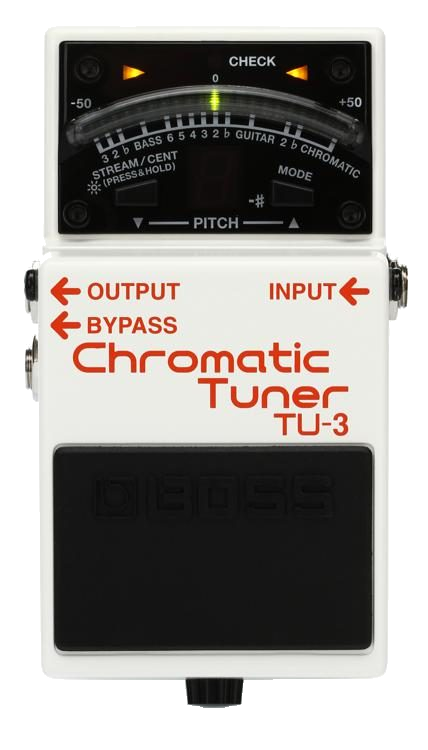
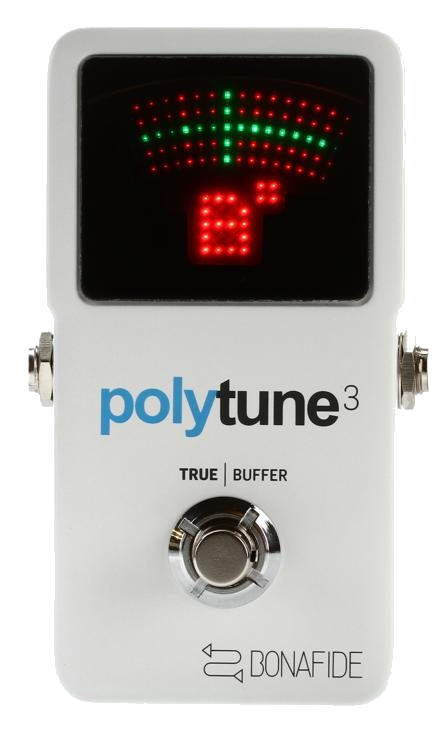
This one is obvious. You don’t want your guitar to be out of tune when you’re playing. It sounds awful. You may be thinking “why use this? There are clip-on headstock tuners for way cheaper.” That is because the clip-on headstock tuners are too distracting to the audience, which you don’t want, and tuner pedals hide with your pedalboard, so they won’t distract the audience.
Overdrive
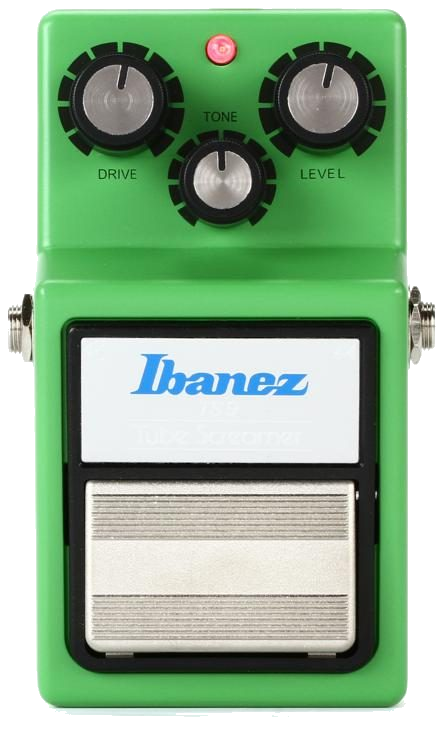
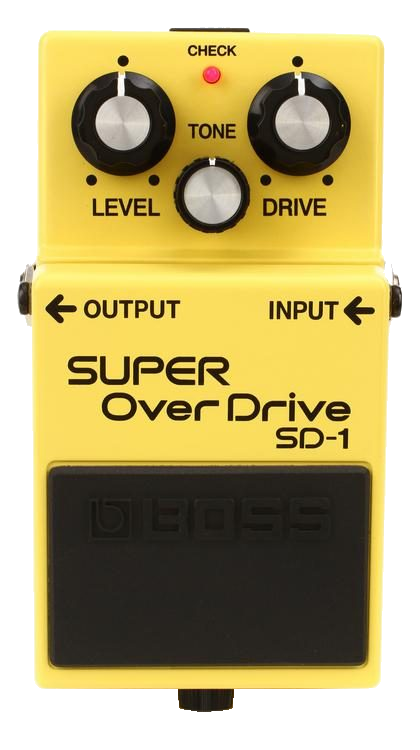
An essential to a good guitar rig is a good overdrive. You can use this as your main distortion unit, or boost a crunchy amp into higher gain with it. You may be wondering why to use a pedal for distortion instead of your amp. Well, not all amps are good for distortion, so you may want a guitar pedal to get a better distortion. An amp that has good distortion can produce a different tone when boosted by an overdrive than it would with it’s own distortion.
Equalizer
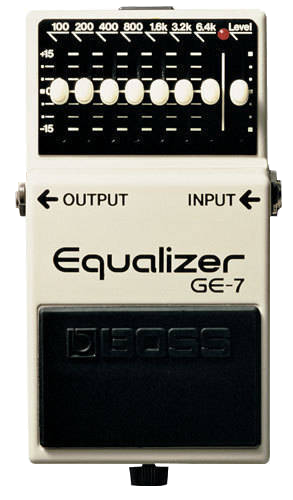
An equalizer pedal may not be the flashiest effect, but it’s a good idea to have in your rig, since it allows for more control over your tone. You may be wondering why you should use this if your amp has built in EQ (Sorry about being repetitive, don’t hate me for this). Well, this allows for more control over your tone than your typical amp’s bass mid treble controls. This can be used to customize your tone before or after your distortion, while your amp’s EQ is limited to after distortion. An equalizer before distortion can allow you to control the colour of your gain, while if you place an equalizer pedal after distortion, you can get more control over frequencies, or change things up for a separate rhythm and lead tone.
Modulation
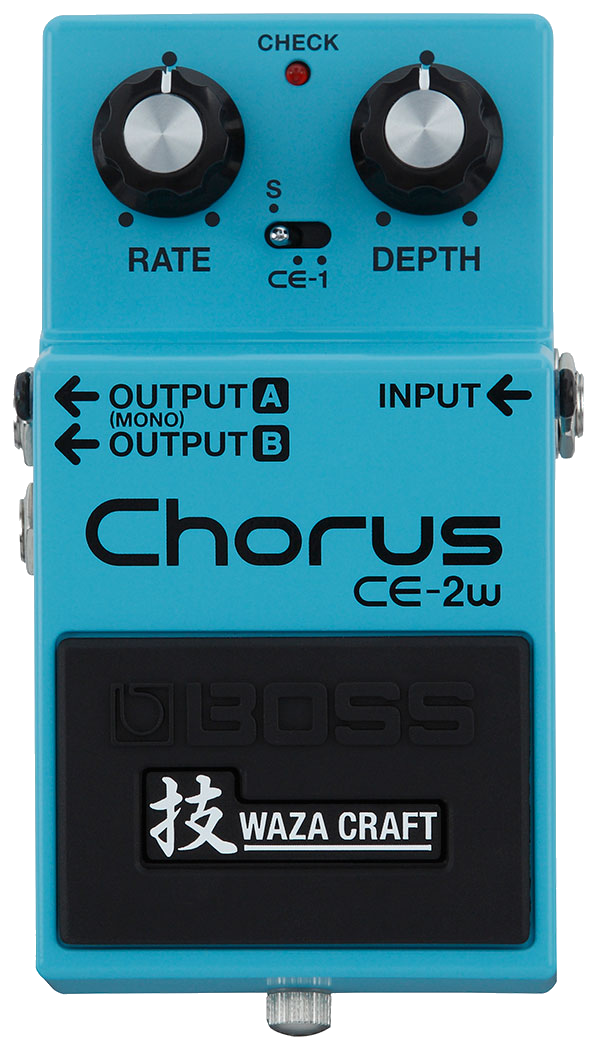
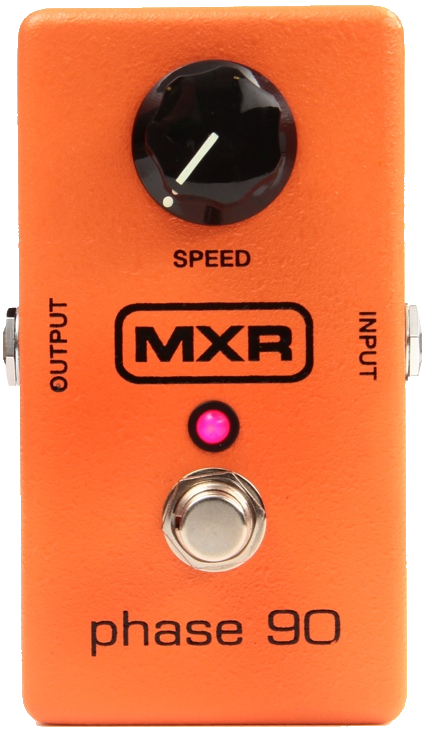
If you want to have more versatility in your tone, you’ll probably want to use modulation effects. There are three main types of modulation: Phaser, Chorus, and Flanger. Phaser is the earliest form of modulation, starting in the 70s. It sounds like an alien planet, or can also sound like a bottle. It’s most recognizable users are David Gilmour and Eddie Van Halen. Chorus is more of a wet, wobbly sound, which was big in the 80s, and it’s used by people like Andy Summer, Bryan Adams, and many more guitarists from the 80s. Flanger originated in the 70s, and sounds more metallic and robotic. It’s been used by people like Nancy Wilson, Eddie Van Halen, and more. Try out some different modulation effects to figure out what’s right for you.
I’ve now given you the essential guitar pedals. The information I just gave you is important for people who want to be a touring and/or recording musician. I’d recommend taking this into consideration before you go buying pedals, since it’ll probably help.
 Guitar Empourium